Cinnamon And Insulin Sensitivity: An Honestly Sized Effect
Cinnamon Bark is one of the most frequently cited ingredients in blood-sugar supplements, with a genuine, if modest, research base tied to insulin sensitivity.
It's worth separating the real, measured effect from the more dramatic claims sometimes made about this common kitchen spice.
What cinnamon is studied for
Research on cinnamon and blood sugar generally focuses on insulin sensitivity — how effectively the body's cells respond to insulin's signal to take up glucose. Some studies suggest modest improvements in this area, particularly with certain standardized cinnamon extracts. Background is summarised by the NCCIH.
Why the research picture is mixed
Cinnamon research uses different species (Cassia vs. Ceylon), different extraction methods, and different doses across studies, which makes it genuinely difficult to draw one clean conclusion. The NCCIH's own summary reflects this: some trials show a modest benefit, others show none.
A reasonable way to think about it
What the evidence does not support
Cinnamon is not a treatment for diagnosed diabetes, and its effect size in research is modest relative to prescribed medication. It should never be used as a reason to adjust diabetes medication without a doctor's direct guidance.
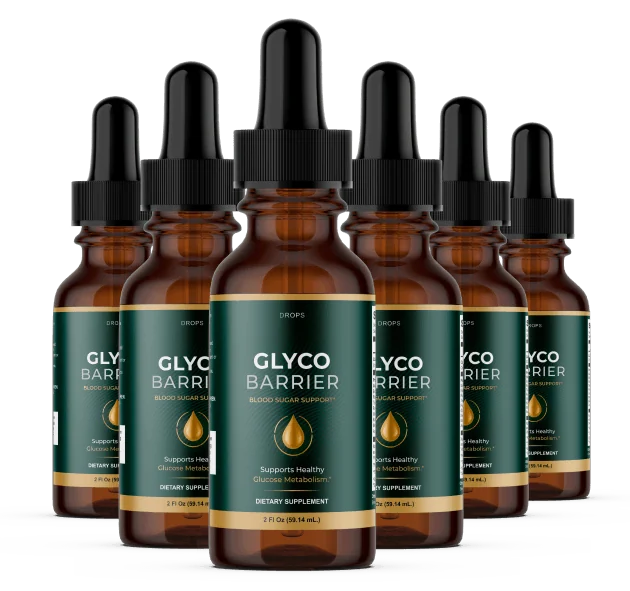
Applying this to GlycoBarrier
Cinnamon Bark is included in GlycoBarrier's formula alongside Chromium for the insulin-sensitivity angle of the formula. Because it can interact with diabetes medication, it's worth flagging to your doctor if that applies to you.